
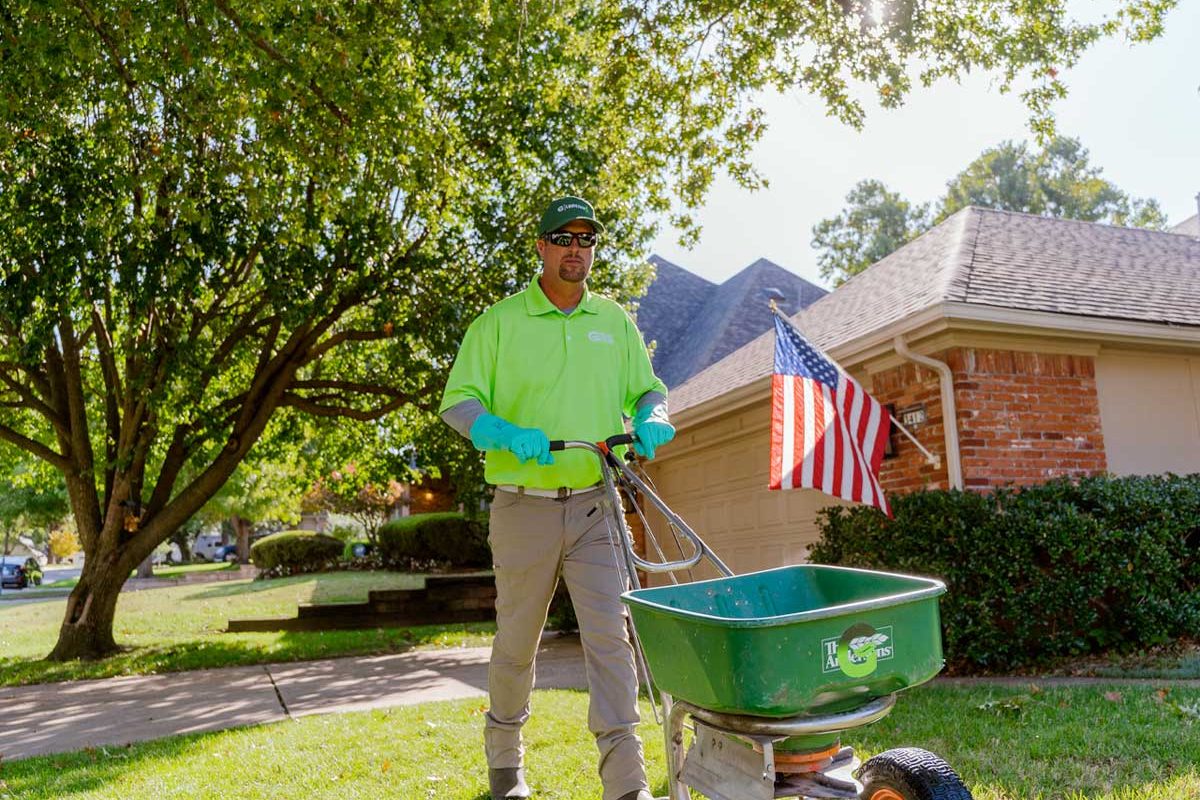
Lawn Fertilization Tips in Dallas
Fertilization is the secret to keeping your lawn healthy and thriving in Dallas’s challenging climate. With intense heat, occasional drought, and relentless pests, your grass needs the right nutrients to stay strong and vibrant. A well-fed lawn not only withstands environmental stressors but also bounces back quickly from damage. If your lawn could use a boost, now is the perfect time to take action. Learn the best fertilization tips tailored to Dallas lawns, including when to fertilize, how to choose the right products, and the practices that will keep your yard lush and resilient all year long.
The Basics of Lawn Fertilization
For Dallas lawns, understanding the essential nutrients your grass needs is the first step toward achieving a lush yard. Fertilizers contain three primary nutrients that play key roles in supporting common Texas grass types like Bermudagrass, Zoysia, and St. Augustine.
Nitrogen
Nitrogen is the powerhouse of lawn fertilization that drives grass growth. It’s especially vital during Dallas’s summer heat, helping grass recover quickly from heat stress and maintain its vibrant color. For fast-growing warm-season grasses, nitrogen fertilizer provides thick, healthy coverage that can withstand frequent mowing and heavy foot traffic.
Phosphorus
Phosphorus is paramount for root development, making it particularly useful when laying new sod or overseeding after periods of drought. A strong root system helps your lawn absorb water and nutrients more effectively, creating a stronger foundation to weather Dallas‘s fluctuating rainfall patterns.
Potassium
Potassium strengthens your lawn’s resilience. It helps grass tolerate stressors unique to North Texas, such as dry spells, heavy usage, and pest infestations. Potassium also improves the grass’s ability to fight off diseases, keeping your lawn healthy and lush throughout the growing season.
When to Fertilize Your Lawn in Dallas
Tailoring your fertilization schedule to Dallas’s climate can help you maintain a thriving yard throughout the year. The city’s warm-season grasses require specific nutrients at different times of the year to combat seasonal challenges like heat, drought, and rainfall.
Spring
As the temperatures rise, your lawn starts to wake up from its winter dormancy. Early spring is the perfect time to apply a balanced fertilizer to jumpstart growth and provide the nutrients grass needs to green up and fill in thin areas. If you’re applying pre-emergent herbicides, aim to fertilize after applying pre-emergents to ensure nutrients reach your grass once the herbicide has had time to work. This initial spring fertilization lays the groundwork for a robust lawn ready to handle the warmer months ahead. If your lawn looks healthy at the beginning of the season, opt for a late spring fertilization.
Summer
North Texas summers are notoriously hot and dry, which can stress your lawn. Summer fertilization with a slow-release fertilizer helps maintain steady nutrient levels without encouraging excessive growth that might struggle in the heat. Avoid over-fertilizing, as this can lead to weak grass and landscaping vulnerable to pests during the peak summer heat.
Fall
Early fall is a critical time for strengthening your lawn before winter dormancy. According to Texas A&M, it’s best to apply a fall fertilizer rich in nitrogen and potassium and low in phosphorus to support deep-root development. Late fall application can further contribute to your lawn’s resilience, helping turfgrass rebound quickly in the spring while staying healthy and protected through Dallas‘s occasional winter temperature dips.
Choosing the Right Fertilizer
Selecting the best lawn fertilizer can make or break your healthy lawn. From battling extreme summer heat to promoting steady growth, the right fertilizer can make all the difference.
Organic vs. Synthetic
Organic fertilizers improve long-term soil health by enriching it with natural materials, making them ideal for sustainable lawn care. However, synthetic fertilizer application delivers quicker, more immediate results, especially during peak growth seasons, when the grass needs a rapid nutrient boost.
Slow-Release Fertilizers
Slow-release fertilizers, especially those with slow-release nitrogen, are a go-to choice for Dallas’s hot summers. They steadily provide nutrients over time, reducing the need for frequent applications. This helps maintain consistent growth without overstressing your lawn during periods of extreme heat.
Liquid vs. Granular Fertilizers
Granular fertilizers are great for even, steady feeding and are easy to apply across large areas. On the other hand, liquid fertilizers offer targeted treatments, ideal for addressing specific problem areas or giving a quick nutrient boost to struggling patches.
Tips for Fertilizing Effectively
Proper fertilization can transform your Dallas lawn into a green oasis, but timing and technique are everything.
- Calibrate Spreaders for Even Coverage: Make sure your spreader is set correctly to distribute fertilizer uniformly across your lawn. Uneven application can lead to patchy growth or over-fertilized spots that can burn the grass.
- Avoid Fertilizing During Peak Heat: Apply fertilizer in the early morning or late afternoon to avoid the intense heat, which can stress your lawn. Also, avoid fertilizing before a storm, as heavy rain can wash away nutrients before they’re absorbed.
- Water Lightly after Application: Light watering after fertilizing helps nutrients penetrate the soil and reach the roots effectively. However, be aware that overwatering can dilute the fertilizer or cause runoff.
Avoid These Fertilization Mistakes
Common fertilization mistakes can take a toll on your lawn’s growth and health. By recognizing these errors, you can give your Dallas lawn the care it needs to thrive.
- Over-Fertilization: Applying too much fertilizer can burn your grass, weaken its root system, and contribute to diseases. Follow the product’s instructions carefully and measure accurately to avoid overloading your lawn with nutrients.
- Ignoring Soil Testing: Without a soil test, it’s hard to know your lawn’s exact nutrient needs. Testing your soil type ensures you’re providing the right balance of nitrogen, phosphorus, and potassium for optimal growth.
- Fertilizing at the Wrong Time: Fertilizing during dormant periods or extreme heat can waste nutrients and harm your grass. For the best results, make sure to fertilize after core aeration so that the nutrients are able to penetrate deeply into the soil. Alternatively, consider combining fertilization with liquid aeration for improved soil health and nutrient absorption. Always tailor your fertilization schedule to Dallas’s climate and time of year for a thriving lawn
Leave Your Lawn Fertilization to Lawn Tech
When it comes to maintaining a healthy Texas lawn, Lawn Tech has expertise you can trust. As your local lawn care experts, our custom fertilization plans are designed to meet the unique needs of Dallas homeowners. With tailored lawn maintenance and professional lawn care services, Lawn Tech gives your lawn the care it needs to thrive year-round. If you’re ready to give your lawn the expert care it deserves, contact us today to request a free quote and take the first step toward a stress-free yard!